Shopify Plus Partner
Theme code
Trim Liquid, CSS and render-blocking JS.
- Unused CSS removed
- JS deferred
- Lean sections

Services / Improve what’s live / Speed
We find what's dragging load time — theme code, apps, images — then ship the fixes. Core Web Vitals up. Bounce down. Shoppers stay.





A slow store doesn't feel like a technical problem. It feels like people bouncing, ads getting more expensive, and mobile never converting.
Symptom
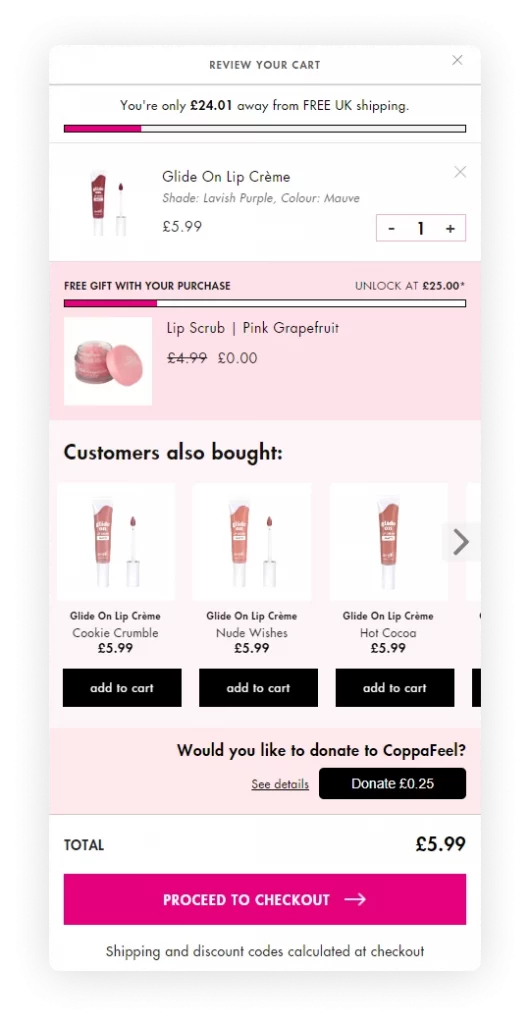
"Mobile is most of our traffic — and the slowest experience"
Most Shopify traffic is on a phone. If the first paint is late, the add-to-cart never happens. Desktop scores hide the leak.
Symptom
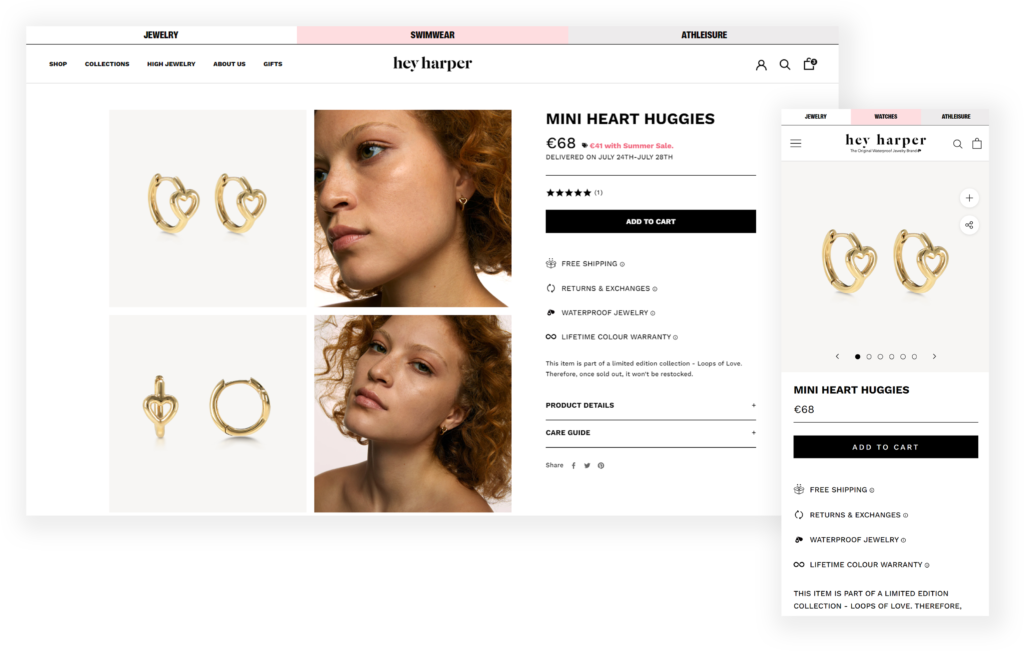
"We keep adding apps and the store got heavier"
Reviews, popups, upsells, pixels — each one seemed small. Together they block render, fight each other, and quietly tax every session.

Symptom
"Google says we're slow and ads feel more expensive"
Poor Core Web Vitals hurt ranking and paid efficiency. You're paying for clicks that never see a usable page.
Our speed process
We don't chase a Lighthouse screenshot. We measure field and lab data, then change the theme, apps and assets that actually block shoppers.
01
Waterfall, Core Web Vitals, theme weight, app scripts and image delivery — mapped to homepage, collections, PDP and cart.
02
Lean Liquid, deferred JS, image and font strategy, app cleanup. Highest impact first — so the store feels faster early in the project.
03
Re-test lab and field metrics. You get before/after on the templates that matter — not a generic “we optimized the site.”
What we fix
Theme code
Bloated Liquid, unused CSS and render-blocking JS are the usual suspects — especially after years of stacked agencies.
Images & media
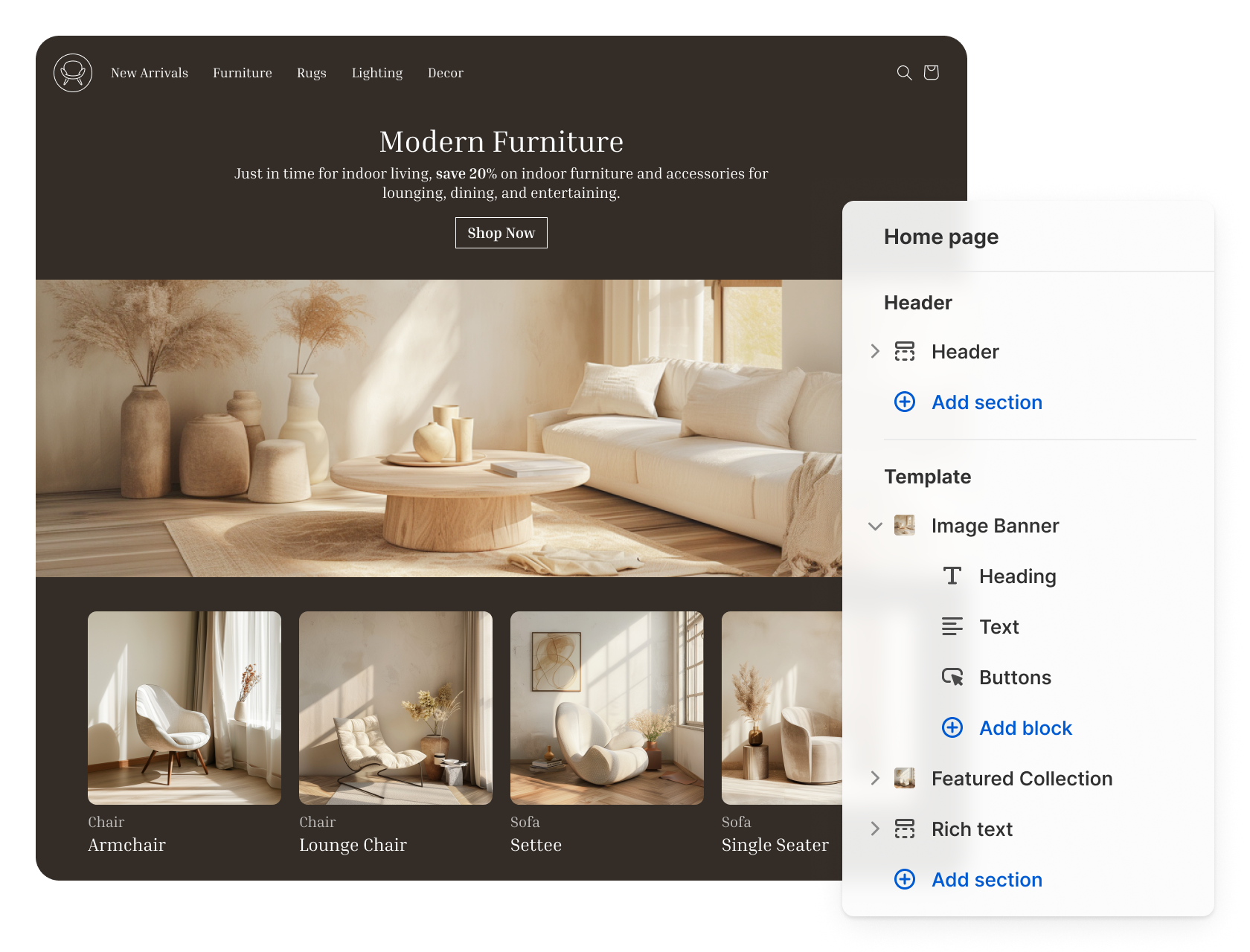
Photography-heavy catalogs don't have to be slow. Delivery, sizing and lazy-load decide whether the PDP feels instant.

Apps & scripts
Every app injects something. We keep what earns its keep, remove what doesn't, and stop duplicate pixels from fighting.
Core Web Vitals
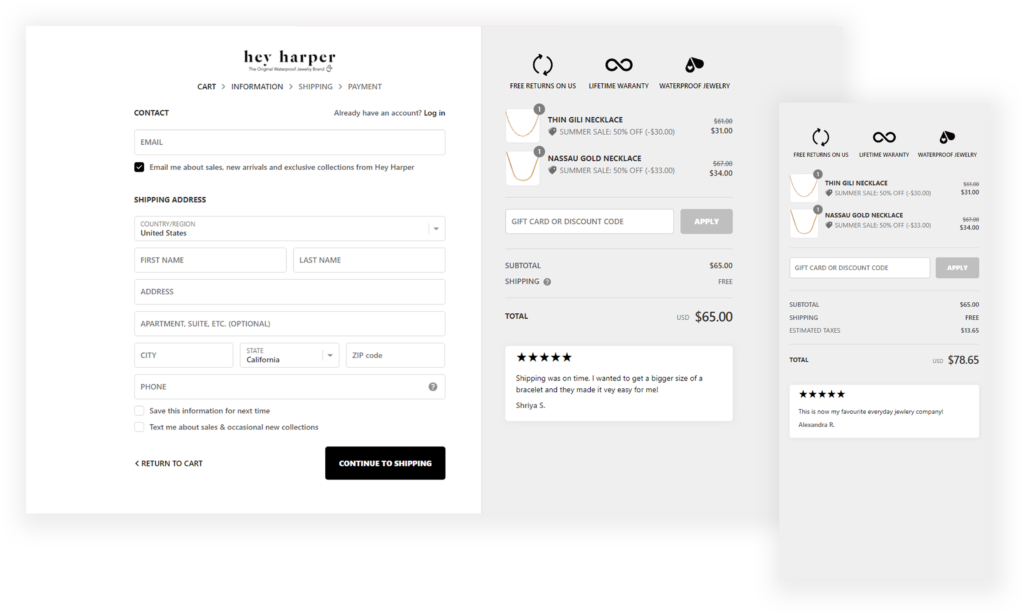
LCP, INP and CLS — lab scores and real-user data. We optimize the templates Google and shoppers actually hit.
What we examine
Hero media, fonts and above-the-fold scripts — the first impression paid traffic actually waits for.
Grids, swatches and filtering that don't freeze the page when someone starts shopping.
Galleries, videos and variant images sized and sequenced so the buy button appears on time.
Drawers, upsells and third-party checkout extras that shouldn't stall the last step.
Real devices and real networks — not only a desktop lab score that looks fine in the office.
What's loading, when, and whether it still earns a place on the storefront.
What you get
Shipped code, cleaner apps, and numbers you can show the team — on the templates that actually sell.
Outcome
Outcome
Outcome
Outcome

"Thails cut our load time in more than half. Revenue went from a couple of thousand to $100,000+ a month."
How it works
Access, known pain, and a snapshot of lab plus field metrics on homepage, collection, PDP and cart — so every fix has a scoreboard.
Theme, apps, images and third-party scripts ranked by impact. You see what to keep, what to cut, and what to rewrite.
Code, media and app changes go live in priority order. Quick wins first; structural weight next.
Before/after on the templates that sell. A short list of what to watch so speed doesn't quietly reverse as apps pile up again.
Often paired with
If the journey is leaking after the page loads, we find where shoppers stall — and design the fixes.
UX auditOnce the store is fast enough to use, CRO ships and tests the changes that move revenue.
CRO & growthLoad time cut in more than half. Monthly revenue past $100K on a photography-heavy Plus store.
Case studyGood questions
No. Lighthouse is a lab snapshot. We use it, plus waterfalls, theme and app inventory, and field Core Web Vitals — then we change the code. A green score that doesn't match the live store isn't the goal.
Only the ones that don't earn their weight — or that we can replace with lighter theme code. Reviews, analytics and checkout extras stay when they're actually used. Duplicate pixels and abandoned apps go.
Yes — especially on mobile. A late first paint is a bounce you never see in the heatmap. Gooseberry cut load time in more than half and grew from a few thousand a month to $100K+. Speed isn't the only lever, but a slow store caps every other one.
No. Plus helps with some checkout and automation work, but theme weight, images and apps slow every plan. We optimize the storefront you have.
Most stores see the first shipped fixes inside two to three weeks after kickoff. Full scope depends on how stacked the theme and app list are — we'll give you an honest timeline on the intro call.
That's the point. We don't flatten the brand to chase a score. Photography, type and layout stay — we change how they load.
Our legacy
The team
A senior team of Shopify strategists, designers and developers working together to solve complex ecommerce challenges.

Talk to the founder
André de Freitas
Book the intro call — we'll look at the live site together and tell you honestly what's slowing it down and what we'd fix first.
Pick a day
Pick a time (CET)
You'll talk directly with our founder — not a sales rep.